
Promotion Of
Minor Millets
Achievements in Organic Farming
For over 18 years, CIRTD has been empowering tribal farming communities through sustainable agriculture, organic farming, climate-resilient practices, women-led collectives and community-driven development.
18+
Years Experience18+
Years
3680
Land Rights
94
Women's SHGs
25
Farmer Clubs
2600+
Organic Farmers
80
Seed Varieties
Organic Farming & Sustainable Livelihood
CIRTD has over 18 years of experience working with tribal communities in promoting sustainable agriculture through capacity building, community mobilisation, networking, project planning, implementation, monitoring and evaluation.
Through participatory planning and continuous field engagement, CIRTD has developed strong relationships with farming communities, helping them adopt climate-resilient, low-cost organic farming practices that improve food security, nutrition and household income.
Transforming Agriculture Through Community Participation
Key milestones achieved through sustainable agriculture, organic farming and community-based development initiatives.
Forest Rights & Land Security
CIRTD supported tribal communities in securing land rights under the Forest Rights Act (2006). As a result, 3,680 Scheduled Tribe and Scheduled Caste households received legal land ownership ("Shironama"), ensuring livelihood security and long-term agricultural development.
Land Development
Beneficiary lands were developed through land levelling, bunding, farm ponds and soil & water conservation, resulting in improved land productivity and enhanced irrigation potential.
Organic Farming Promotion
Since 2012, CIRTD has promoted sustainable agriculture using locally available organic inputs. More than 1,000 acres covering 1,033 small and marginal farmers were supported through ActionAid India.
Women Self Help Groups
CIRTD formed and strengthened 94 Women's Self Help Groups supported by NABARD. Around 50 groups continue to receive technical assistance in organic farming.
PKVY Organic Farming
Since 2017, under Paramparagat Krishi Vikas Yojana (PKVY), organic farming has expanded to 2,750 acres involving 2,600 farmers across three development blocks.
Seed Conservation
CIRTD promoted dedicated Seed Savers preserving 80 indigenous paddy varieties, pulses, oilseeds, vegetables and climate-resilient traditional crops.
Odisha Millets Mission
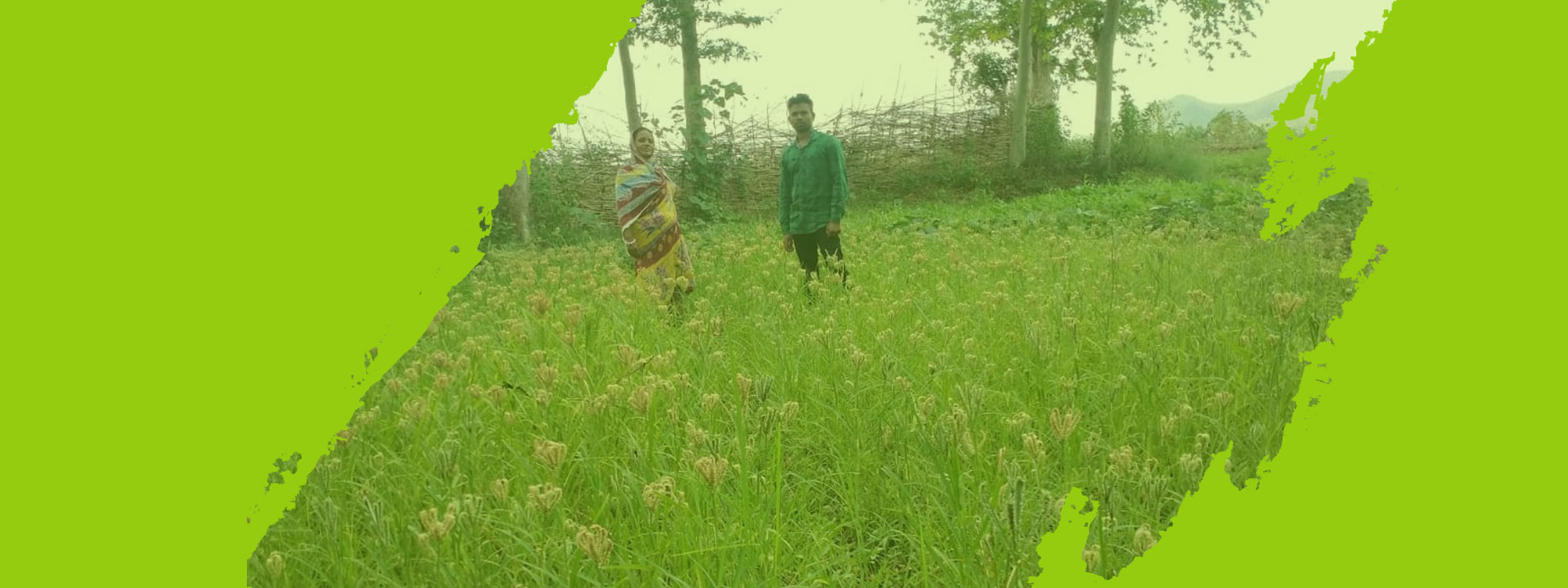
Since July 2018, CIRTD has supported 1,000 tribal farmers in Kutra and Rajgangpur Blocks through improved millet cultivation under the Odisha Millets Mission, with plans to reach over 5,000 tribal households.
Organic Certification
CIRTD initiated PGS-India Organic Certification by preparing farm histories, cluster maps, baseline surveys and documentation for participating farmers.
Women Collective Farming
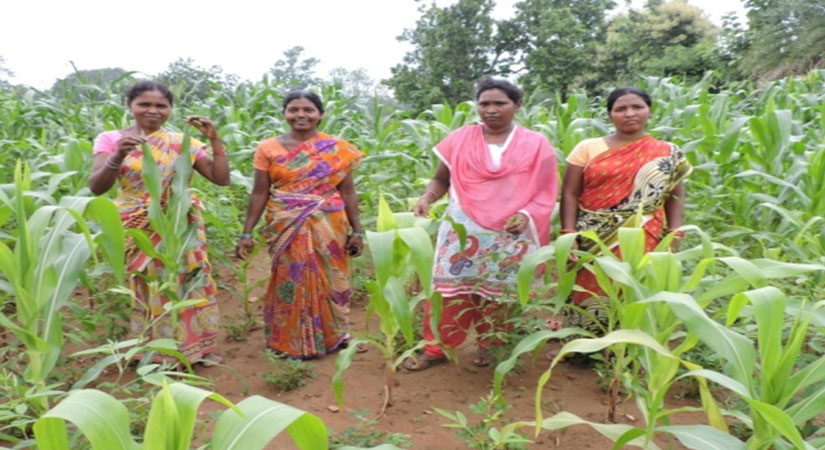
To improve food security and nutrition, CIRTD organised women into collective farming groups where members shared land, labour and agricultural knowledge.
The programme promoted seed treatment, organic manure, herbal pesticides, mulching and mixed cropping through training, demonstrations and exposure visits.
Programme Outcomes
- 23 Women's Collectives formed
- Improved food security
- Higher vegetable production
- Additional household income
- Equal participation of landless women
- Better family nutrition
Philisita Topno's Journey
"I owned only 0.4 hectares of land, which was insufficient to support my family. Together with neighbouring women, we formed a collective farming group and leased additional land. After receiving training from ActionAid and CIRTD, we cultivated maize, cowpea, cluster beans, ladies finger, groundnut and pigeon pea using organic methods."
"Our harvest improved significantly. Every member received safe and nutritious food, and my family earned an additional₹5,000 by selling surplus vegetables. Collective farming transformed both our livelihood and confidence."
Organic Agriculture in Sundargarh
Nearly 90% of farmers practice rain-fed mixed cropping involving millets, pulses, oilseeds and vegetables. Traditional farming methods are naturally organic; however, value addition and market linkages remain the key challenges for improving farmer incomes.
Growing Together for a Sustainable Future
Partner with CIRTD to promote climate-resilient agriculture, organic farming and sustainable livelihoods for rural and tribal communities.
Become a Partner